


4 Essential Tips to Avoid Constipation While Traveling
Traveling is an exciting experience, but it can sometimes disrupt our daily routines, including digestion. Constipation is a common problem that many people face while on the go, whether it’s during long flights, road trips, or just adjusting to new time zones and environments. The good news is, with a few simple habits, you can avoid digestive discomfort and stay regular throughout your journey.
Here are four essential tips to help you avoid constipation while traveling and ensure a more comfortable trip.
1. Stay Hydrated Throughout Your Trip
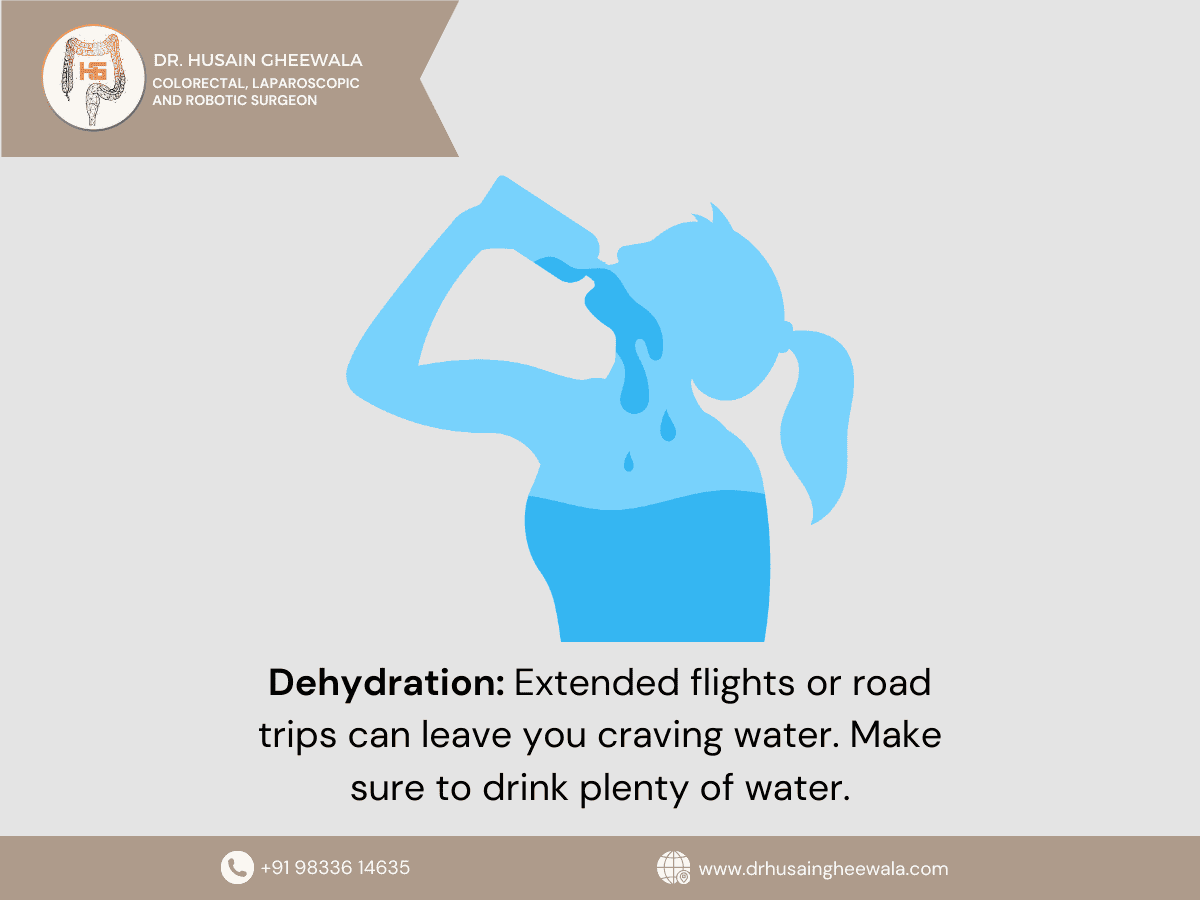
One of the main reasons travelers experience constipation is dehydration. Traveling often involves spending long hours in dry environments, such as airplane cabins or air-conditioned cars, where you can easily lose body fluids without noticing. When your body is dehydrated, it can lead to a slower digestive process, making constipation more likely.
How to Stay Hydrated:
- Drink water consistently throughout your trip, even if you don’t feel thirsty.
- Carry a refillable water bottle so you can have water handy at all times.
- Limit the intake of caffeinated and alcoholic beverages, as they can dehydrate you further.
Pro Tip: If you’re flying, aim to drink at least 8 ounces of water per hour in the air to offset the drying effects of cabin pressure.
2. Stick to Your Routine as Much as Possible

Changing time zones, adjusting to different meal times, and shifting your sleep schedule can confuse your digestive system. When you eat and sleep at irregular times, your body may not function as smoothly as it normally does, leading to issues like constipation.
How to Maintain a Routine:
- Try to eat meals at the same times you would at home.
- If possible, plan to wake up and go to bed around the same times each day.
- Stick to foods that you know your body digests well and avoid indulging in unfamiliar, heavy meals all at once.
Pro Tip: Prepare your body for time zone changes by adjusting your sleep schedule a couple of days before departure. This will help ease the transition and minimize digestive disruptions.
3. Pack High-Fiber Snacks to Keep Things Moving
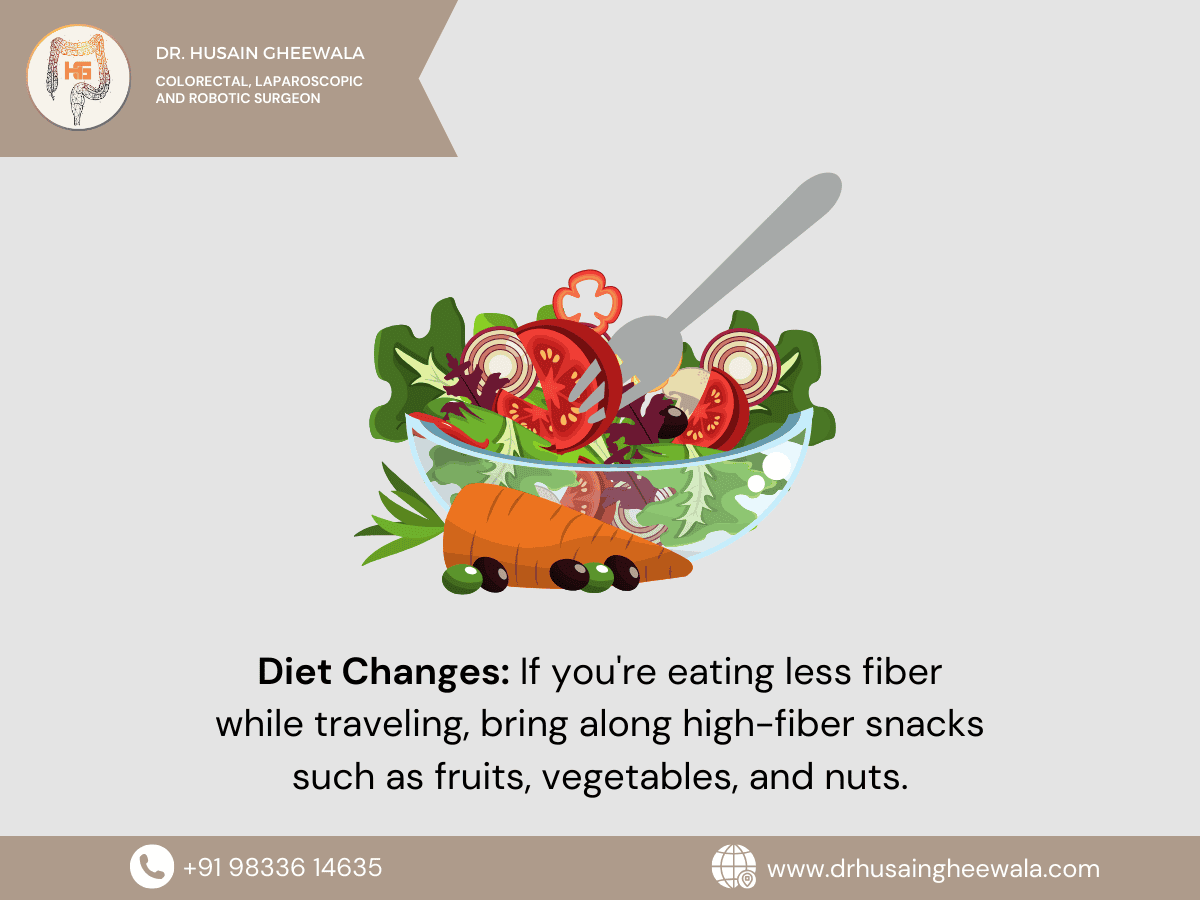
Fiber is a crucial component for healthy digestion, but many travel-friendly foods lack sufficient fiber content. Consuming low-fiber, processed snacks like chips or candy can contribute to constipation. Packing high-fiber snacks for your trip is a simple way to avoid this problem and ensure that you maintain healthy digestion while on the go.
Best Fiber-Rich Snacks to Pack:
- Fresh fruits (like apples, pears, and berries)
- Raw vegetables (like baby carrots or celery sticks)
- Nuts and seeds (almonds, walnuts, flaxseeds)
- Whole-grain crackers or granola bars
Pro Tip: Fiber supplements, such as psyllium husk, can also be an effective option if you think it will be difficult to get enough fiber from food during your trip.
4. Move Your Body Regularly

When you’re traveling, especially on long flights or road trips, it’s easy to find yourself sitting for hours on end. However, extended periods of sitting can slow down your digestion, increasing the likelihood of constipation. Incorporating movement and stretching into your travel routine is essential for keeping things moving.
How to Incorporate Movement:
- If you’re on a flight, take breaks to walk around the cabin or stretch at your seat.
- During road trips, stop every few hours to get out of the car, stretch, and take a short walk.
- Once you reach your destination, consider activities like walking, yoga, or visiting the hotel gym to stay active.
Pro Tip: Set a reminder on your phone or smartwatch to stretch or move every couple of hours during long travel segments.
Conclusion
Constipation may seem like a small issue, but it can quickly become an uncomfortable problem that affects the quality of your trip. By following these four tips—staying hydrated, maintaining your routine, packing high-fiber snacks, and keeping your body moving—you can avoid constipation and focus on enjoying your travel experience.
Whether you’re on a quick weekend getaway or an extended international trip, keeping your digestive system healthy will help you stay energized, comfortable, and ready for your adventure. Safe travels!