

Can Hemorrhoids Block Poop? Debunking the Myth
Hemorrhoids are a common health concern, but there are many misconceptions surrounding them. One frequently asked question is: Can hemorrhoids block stool? Let’s clarify this and uncover the real cause behind that uncomfortable sensation.
Understanding Hemorrhoids
Hemorrhoids are swollen veins in the rectal or anal area. They can be internal (inside the rectum) or external (under the skin around the anus). Symptoms may include itching, pain, discomfort, and occasional bleeding. While they can be uncomfortable, they do not act as a physical barrier that blocks stool.
The Myth: Hemorrhoids Cause Stool Blockage
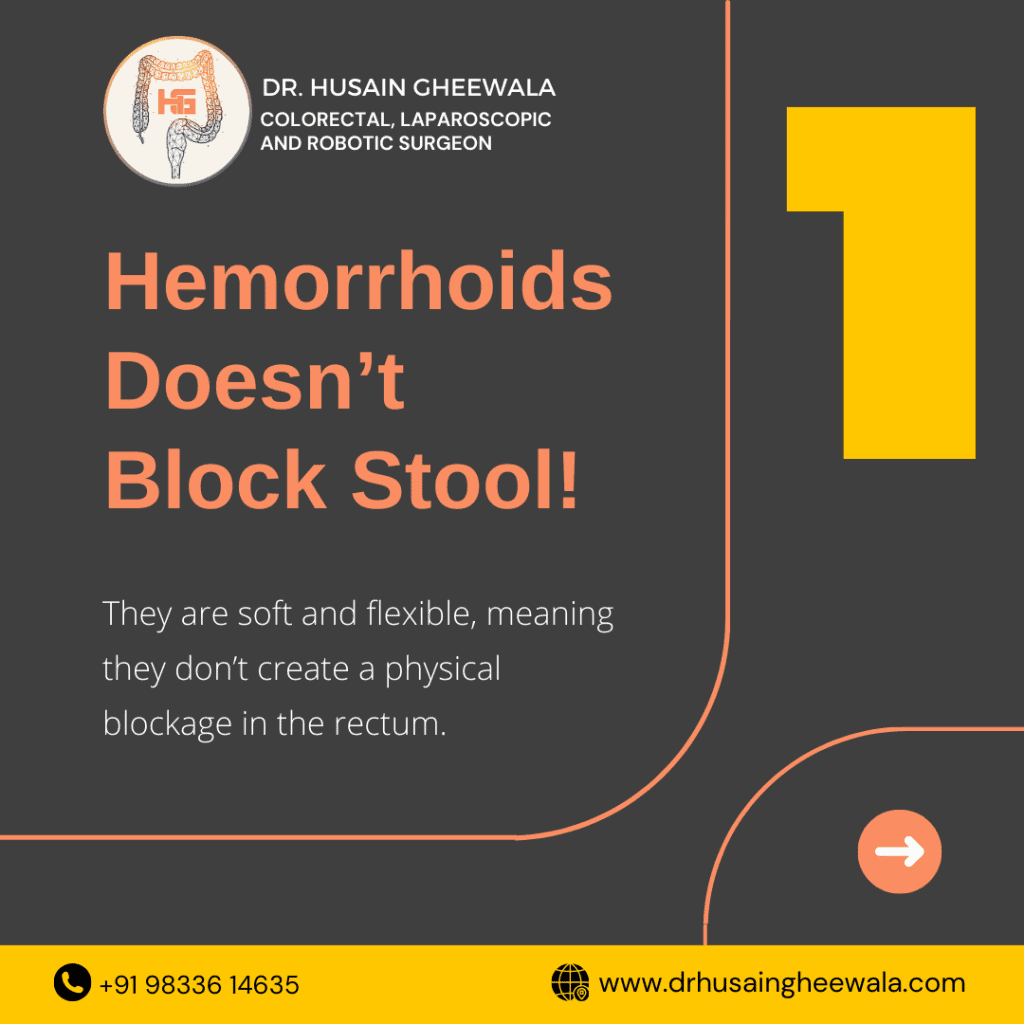
Some people feel like they can’t pass stool when dealing with hemorrhoids. However, hemorrhoids themselves do not create a blockage. They are soft, flexible, and do not obstruct the rectal passage. So why do people experience difficulty with bowel movements when they have hemorrhoids?
The Real Culprit: Muscle Tension
The sensation of being unable to pass stool is often due to tight anal sphincter muscles rather than hemorrhoids. When these muscles do not relax properly, it becomes difficult to pass stool, leading to a feeling of blockage. This condition is often associated with pelvic floor dysfunction, where the muscles controlling bowel movements become overly tense or uncoordinated.
How to Fix It
If you’re struggling with bowel movements, here are some solutions:
1. Pelvic Floor Therapy
Seeing a pelvic floor therapist can be highly beneficial. They can help retrain your muscles to relax during bowel movements, making it easier to pass stool without straining.
2. Dietary Adjustments
Consuming a high-fiber diet with plenty of water can soften stools and make bowel movements easier. Include fruits, vegetables, whole grains, and legumes in your diet.
3. Proper Toilet Positioning
Using a squatty potty or elevating your feet while sitting on the toilet can help align the rectum properly, reducing strain and making bowel movements more comfortable.
4. Relaxation Techniques
Deep breathing, warm baths, and relaxation exercises can help ease muscle tension in the pelvic floor, reducing discomfort.
5. Medical Consultation
If you continue to experience difficulties, consult a specialist. They can assess whether an underlying issue, such as chronic constipation or a rectal disorder, is contributing to your symptoms.
Final Thoughts
While hemorrhoids can cause discomfort, they do not physically block stool. If you’re feeling constipated or experiencing difficulty passing stool, it may be due to muscle tension rather than the hemorrhoids themselves. Implementing the right strategies, such as pelvic floor therapy and dietary changes, can help ease bowel movements and improve overall health.