

How Lifestyle and Diet Affect Your Colon Health
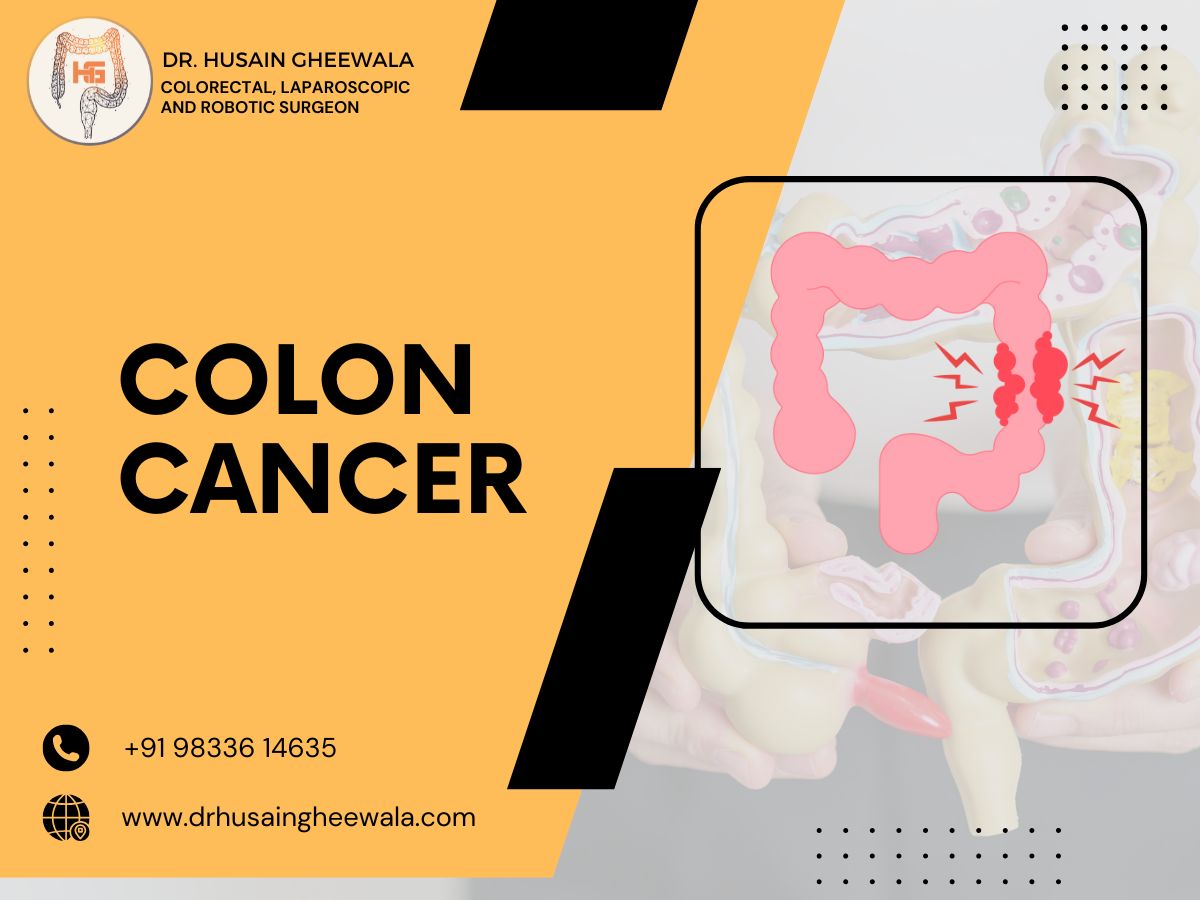
Your colon health plays a crucial role in overall digestive health. The large intestine is responsible for absorbing water, maintaining bowel health, and housing trillions of beneficial bacteria known as the gut microbiome. However, modern lifestyle factors and poor dietary habits often compromise colon function, leading to common conditions such as constipation, hemorrhoids, diverticulitis, ulcerative colitis, and even colorectal cancer.
In this article, we’ll explore how diet, exercise, and daily choices shape your colon’s well-being and what you can do to maintain a healthier gut.
The Connection Between Lifestyle and Colon Health
1. Physical Activity vs. Sedentary Lifestyle
A sedentary lifestyle increases the risk of constipation, obesity, and inflammatory bowel disease (IBD). On the other hand, regular exercise such as walking, jogging, or cycling improves bowel movements, reduces bloating, and lowers the risk of colorectal cancer.
Tip: Just 30 minutes of daily activity can improve your gut microbiome diversity and boost colon health.
2. Stress and Mental Health
Stress affects the digestive system, often causing irritable bowel syndrome (IBS), abdominal pain, and irregular bowel movements. Chronic stress weakens the immune system, making the colon more vulnerable to inflammation such as Crohn’s disease and ulcerative colitis.
Incorporating stress management techniques like meditation, yoga, and deep breathing exercises supports both mental and colon health.
3. Smoking and Alcohol
- Smoking has been linked to higher risks of Crohn’s disease and colorectal cancer.
- Alcohol consumption, especially in excess, damages the bowel lining and increases the risk of polyps and rectal bleeding.
Quitting smoking and moderating alcohol intake are essential steps toward better colon health.
The Role of Diet in Colon Health
1. High-Fiber Foods for a Healthy Colon
A high-fiber diet with whole grains, fruits, and vegetables promotes healthy bowel function, prevents constipation, and supports the gut microbiome. Studies show that diets rich in fiber lower the risk of colorectal cancer and diverticulitis.
Examples of colon-friendly foods:
- Whole wheat bread, oats, and brown rice
- Apples, pears, and bananas
- Leafy greens and cruciferous vegetables
2. The Dangers of Red and Processed Meats
Excess consumption of red meat and processed foods is linked to a higher risk of colon cancer. Processed meats like hot dogs and bacon contain carcinogenic compounds that can damage the colon lining.
Replacing these with plant-based proteins, fish, or lean poultry is a safer choice.
3. Hydration and Colon Function
Water is essential for digestive health. Without proper hydration, stools become hard, leading to anal fissures, hemorrhoids, and painful bowel movements. Aim for at least 2 liters of water daily to keep your colon health in check.
4. The Role of Vitamin D and Balanced Nutrition
Low levels of vitamin D are associated with higher risks of inflammatory bowel disease and colorectal cancer. Maintaining a balanced diet with sufficient vitamins, minerals, and probiotics strengthens the colon’s defense against disease.
Common Colon Conditions Linked to Diet and Lifestyle
1. Constipation
Often caused by low fiber intake, poor hydration, and lack of exercise. Chronic constipation can lead to hemorrhoids, anal fissures, and even rectal prolapse.
Learn more about constipation and solutions here: Constipation & Anal Fissure
2. Inflammatory Bowel Disease (IBD)
Conditions like ulcerative colitis and Crohn’s disease involve long-term colon inflammation influenced by diet, genetics, and lifestyle. A balanced, low-inflammatory diet and stress control can ease symptoms.
Read: Inflammatory Bowel Disease & Diverticulitis
3. Colorectal Cancer
One of the most serious risks linked to poor colon health. Risk factors include:
- High intake of processed foods and red meat
- Smoking and alcohol use
- Obesity and sedentary lifestyle
Early detection through colonoscopy and regular screening can save lives.
Learn more: Bowel Cancer Awareness
Prevention: How to Protect Your Colon Health
- Eat a high-fiber diet rich in fruits, vegetables, and whole grains
- Avoid processed foods, red meat, and excess sugar
- Stay hydrated
- Engage in regular exercise
- Manage stress effectively
- Quit smoking and limit alcohol consumption
- Schedule routine colon screenings if you are over 50 or at risk
Conclusion: Take Charge of Your Colon Health
Your lifestyle and diet directly impact your colon health. By making small but consistent changes – like eating more fiber, staying hydrated, exercising regularly, and avoiding harmful habits – you can significantly reduce the risk of colorectal diseases.
Take the first step towards better colon health by booking a consultation today: Contact Dr. Husain Gheewala