


Robotic Surgery vs Laparoscopic Surgery for Colorectal Conditions
Both robotic and laparoscopic surgery are minimally invasive techniques that treat colorectal conditions through small incisions instead of one large open cut. For patients, both mean less pain, smaller scars and a faster return home than traditional open surgery. The difference lies in how much control and visualisation the surgeon has — and that difference matters most in the narrow, technically demanding space of the pelvis.
What is laparoscopic colorectal surgery?
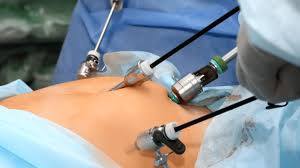
In laparoscopic (“keyhole”) surgery, the surgeon operates using long rigid instruments and a camera passed through small ports, viewing the procedure on a 2D screen. It is a well-established, effective approach for many standard abdominal and bowel procedures, with shorter hospital stays and faster recovery than open surgery.
What is robotic colorectal surgery?
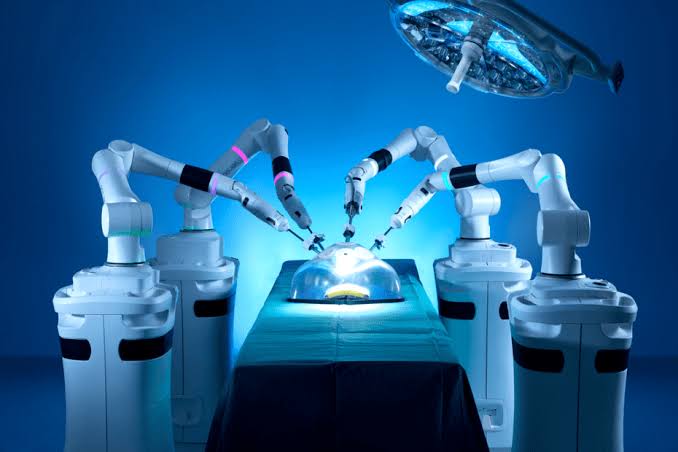
In robotic surgery, the surgeon controls robotic arms from a console. The instruments are “wristed” — they rotate and bend with 360-degree articulation — and the surgeon sees the operating field in 3D high-definition, magnified vision. Tremor filtration removes natural hand tremor. These features give the surgeon greater precision in confined spaces such as the pelvis, which is exactly where rectal and colorectal cancer operations take place.
Robotic vs laparoscopic vs open — at a glance
| Parameter | Robotic | Laparoscopic | Open |
| Surgeon visualisation | 3D HD magnified | 2D screen | Direct line of sight |
| Instrument movement | Wristed, 360° | Rigid, limited | Hand control |
| Incision size | 8–12 mm ports | 5–12 mm ports | 15–30 cm |
| Typical hospital stay | 2–4 days | 3–5 days | 7–10 days |
| Typical recovery | 2–3 weeks | 3–4 weeks | 6–8 weeks |
| Post-op pain | Minimal | Moderate | Significant |
| Best suited for | Complex pelvic/colorectal | Standard abdominal | Emergency/advanced |
Which is better for you?
Neither technique is universally “better” — the right choice depends on the condition, its complexity and the patient’s overall health. Robotic surgery offers a clear advantage for complex pelvic work such as rectal cancer, where preserving urinary and sexual nerve function is critical, and for procedures requiring fine dissection in tight spaces. Laparoscopic surgery remains an excellent, proven option for many standard procedures. The most important factor is the surgeon’s training and experience in the specific technique.
Dr. Husain Gheewala is one of the few surgeons in Mumbai who is both UK colorectal-fellowship trained (York NHS Hospital) and robotic-surgery certified from Severance Yonsei Hospital, Seoul. If you have been advised surgery for a colorectal condition, consult a robotic surgeon in Mumbai to understand which approach offers the best outcome for your case. You can also read more about robotic colorectal surgery and recovery, or learn how robotic techniques are used in bowel cancer treatment.