

Understanding Anal Fissures: Symptoms, Causes, and Treatment Options
Experiencing sharp pain, bleeding, or discomfort during bowel movements? You might be dealing with an anal fissure. Though small, these tears in the lining of the anus can cause significant pain and irritation. The good news is that anal fissures are treatable, and with the right care, you can find relief. If symptoms persist or become severe, consulting an experienced Fissure Surgeon in Mumbai can help ensure an accurate diagnosis and effective treatment.
What is an Anal Fissure?
An anal fissure is a small tear in the thin, moist tissue lining the anus. This condition can occur due to various reasons, including constipation, straining during bowel movements, or prolonged diarrhea. Although anal fissures can be painful, they are common and can often heal on their own with proper care.
Symptoms of an Anal Fissure
If you have an anal fissure, you may experience:
- Sharp pain during and after bowel movements
- Bright red blood on toilet paper or in the stool
- A visible tear in the skin around the anus
- Burning or itching in the affected area
- Muscle spasms in the anal region, making bowel movements more painful
Causes of Anal Fissures
Several factors can contribute to the development of anal fissures, including:
- Chronic constipation or passing hard stools
- Straining during bowel movements
- Persistent diarrhea
- Childbirth-related trauma
- Inflammatory bowel diseases (such as Crohn’s disease)
- Tight anal sphincter muscles leading to excessive pressure on the anal tissue
Treatment and Management Options
Most anal fissures heal within a few weeks with simple at-home treatments. However, in some cases, medical intervention may be required.
Home Remedies and Lifestyle Changes
- Increase fiber intake: Eating more fiber-rich foods like fruits, vegetables, and whole grains can soften stools and prevent straining.
- Stay hydrated: Drinking plenty of water helps keep stools soft and easy to pass.
- Use sitz baths: Soaking in warm water for 10-15 minutes several times a day can help relieve pain and promote healing.
- Apply topical treatments: Over-the-counter creams containing hydrocortisone or lidocaine can reduce pain and inflammation.
- Maintain good hygiene: Gently cleaning the anal area with warm water and mild soap can prevent infection.
Medical Treatments
If home remedies do not provide relief, a doctor may recommend:
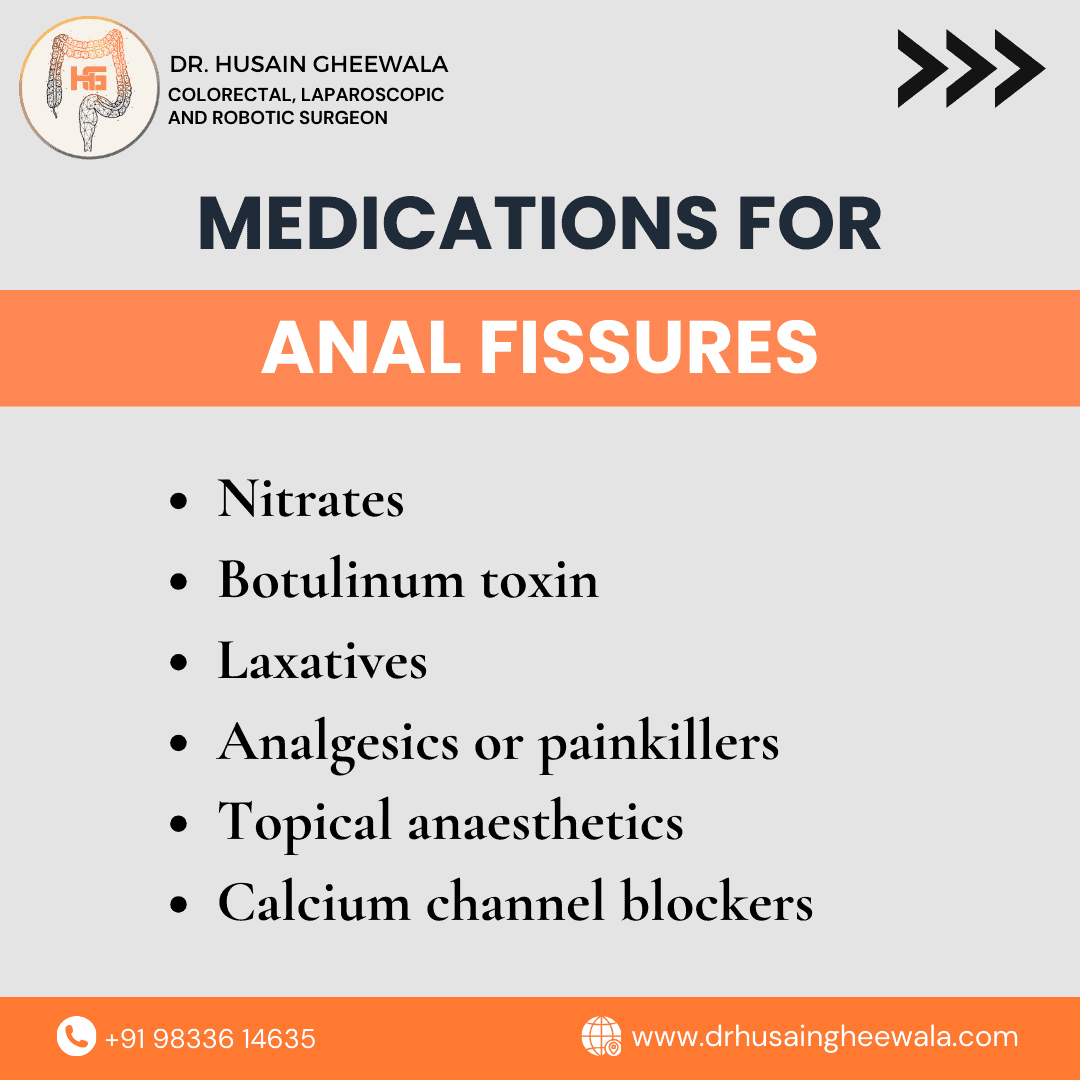
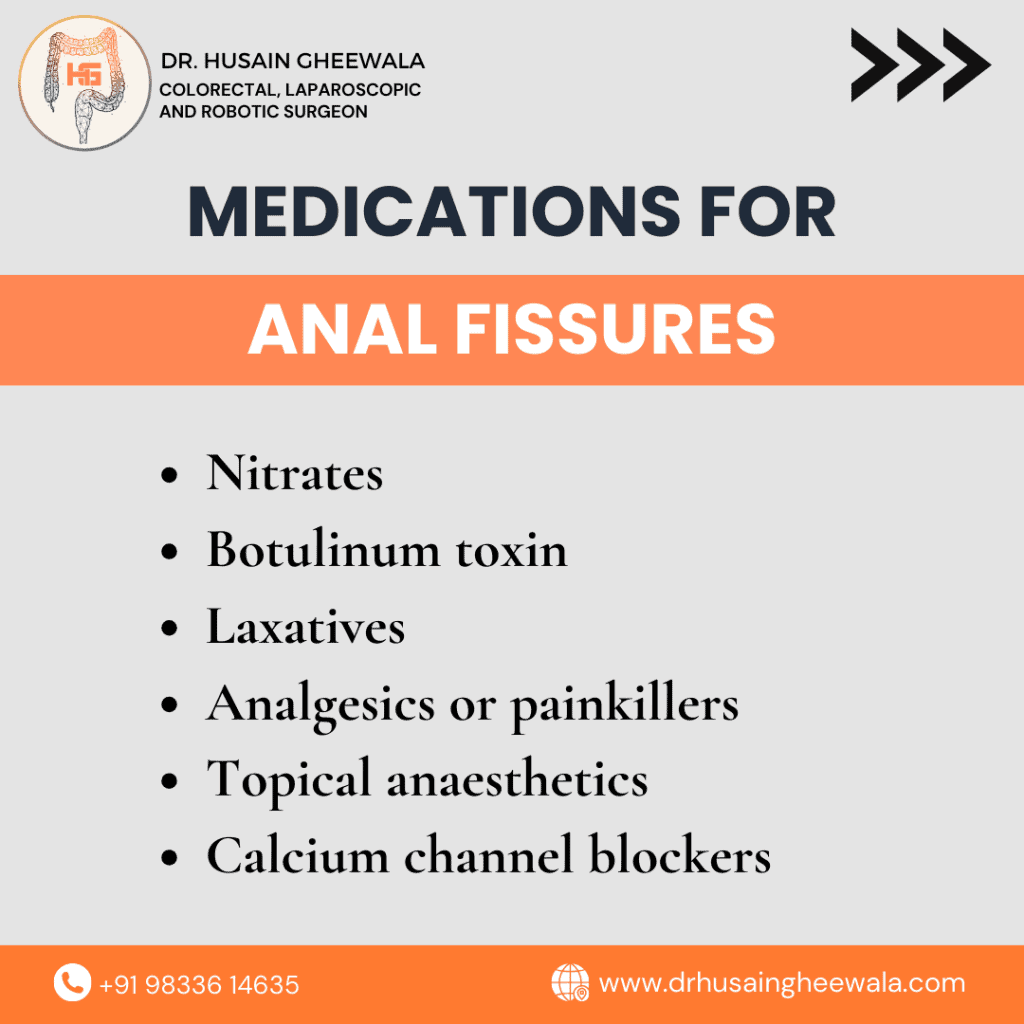
- Prescription ointments: Medications like nitroglycerin or calcium channel blockers can help relax the anal muscles and improve blood flow.
- Botox injections: Used to temporarily relax the anal sphincter muscles, reducing pressure and promoting healing.
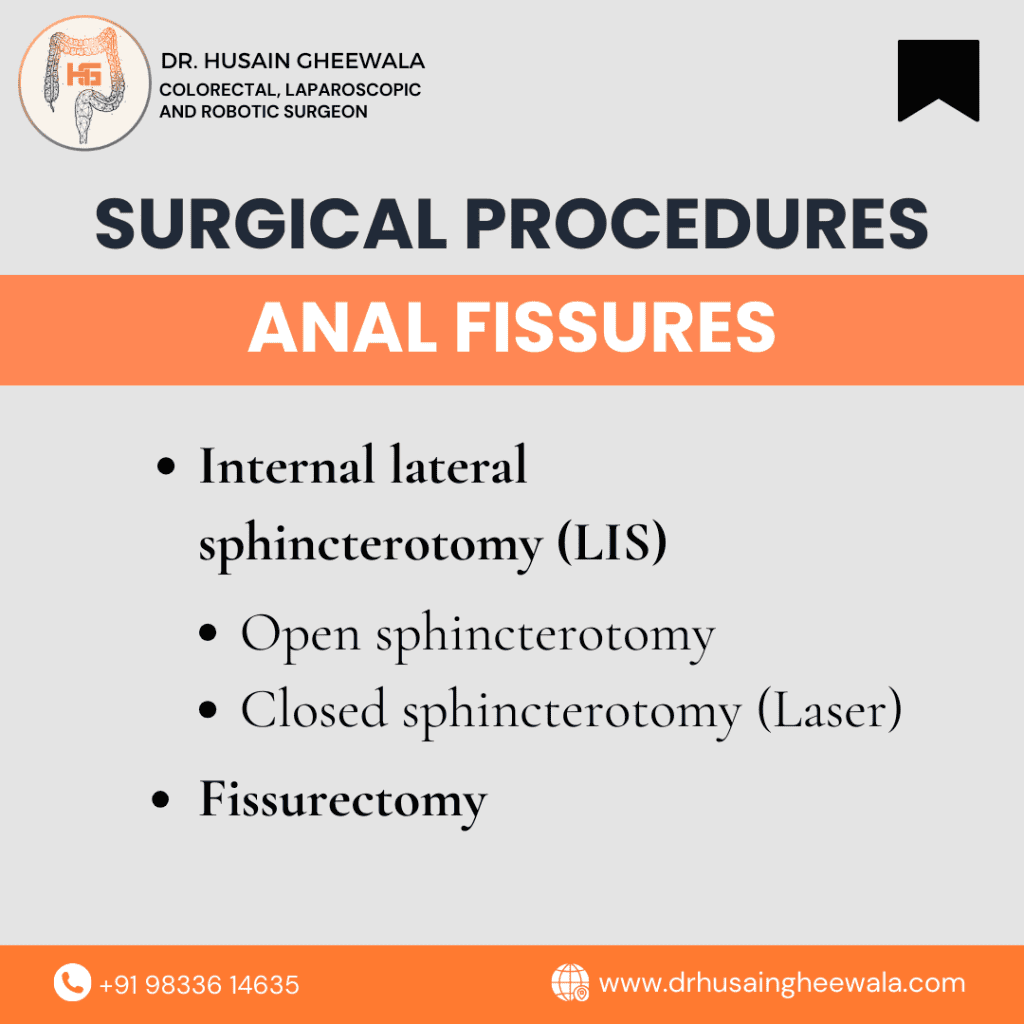
- Surgical options: In severe or chronic cases, a procedure called lateral internal sphincterotomy (LIS) may be performed to relieve muscle tension and allow healing.
When to See a Doctor
If you experience persistent pain, bleeding, or difficulty healing despite home treatments, it’s important to seek professional medical advice. An untreated anal fissure can lead to complications such as chronic fissures or infections.
Conclusion
Anal fissures, while painful, are highly treatable with proper care and medical guidance. If you’re experiencing symptoms, don’t hesitate to reach out to a healthcare professional for advice. Your comfort and health are important, and with the right treatment, relief is possible.
For expert guidance and treatment, consult Dr. Husain Gheewala, a trusted specialist in colorectal health.