

The Gut Microbiome: Your Ally in Colorectal Cancer Prevention
Understanding the Gut-Cancer Connection
The human digestive system is home to trillions of microorganisms collectively known as the gut microbiome. Recent scientific research has revealed that this complex ecosystem plays a crucial role in our overall health, particularly in preventing colorectal cancer (CRC). The gut microbiome is not just involved in digestion—it’s actively engaged in carcinogenesis, formation, and progression of colorectal cancer, as well as how our bodies respond to different treatments.
At Dr. Husain Gheewala’s practice, we believe that understanding this connection can empower patients to make informed lifestyle choices that support long-term digestive health and potentially reduce cancer risk.
The Protective Power of a Healthy Microbiome
Your gut microbiome acts as a protective barrier against harmful substances that could lead to cancer development When this microbial ecosystem is in balance, it helps maintain intestinal health through several mechanisms:
Inflammation regulation: A diverse and healthy gut microbiome helps control inflammation in the colon, which is a known risk factor for colorectal cancer development.
Immune system support: Beneficial gut bacteria train and support your immune system, helping it identify and eliminate potentially cancerous cells before they can develop into tumors.
Toxin breakdown: Certain beneficial bacteria can neutralize carcinogenic compounds in the digestive tract before they can damage the colon lining.
The disruption of these microbial communities—known as dysbiosis—can compromise host health and potentially contribute to disease onset. This is why maintaining a balanced microbiome should be part of any comprehensive approach to colorectal cancer prevention.
Probiotics and Fiber: Your Microbiome’s Best Friends
Two of the most powerful tools for supporting a healthy gut microbiome are probiotics and dietary fiber.
Probiotics:
These beneficial live microorganisms can help maintain a healthy colony of “good” gut bacteria. Research on probiotics in relation to colorectal cancer is quite promising, suggesting they may play a role in both prevention and as supportive therapy during treatment Sources of probiotics include:
- Yogurt with active cultures
- Kefir
- Sauerkraut
- Kimchi
- Kombucha
Fiber:
Dietary fiber serves as food (prebiotic) for beneficial gut bacteria. When gut bacteria break down plant fiber, they produce compounds that act on genes to help prevent the growth of cancers. High-fiber foods include:
- Whole grains
- Legumes
- Fruits
- Vegetables
- Nuts and seeds
Dr. Gheewala often recommends a diverse and plant-rich diet to naturally improve gut health, aiming for a variety of whole foods that provide plenty of dietary fiber for gut microbes.
Recognizing the Enemies of Gut Health
Just as certain foods support a healthy microbiome, others can disrupt this delicate balance and potentially increase colorectal cancer risk:
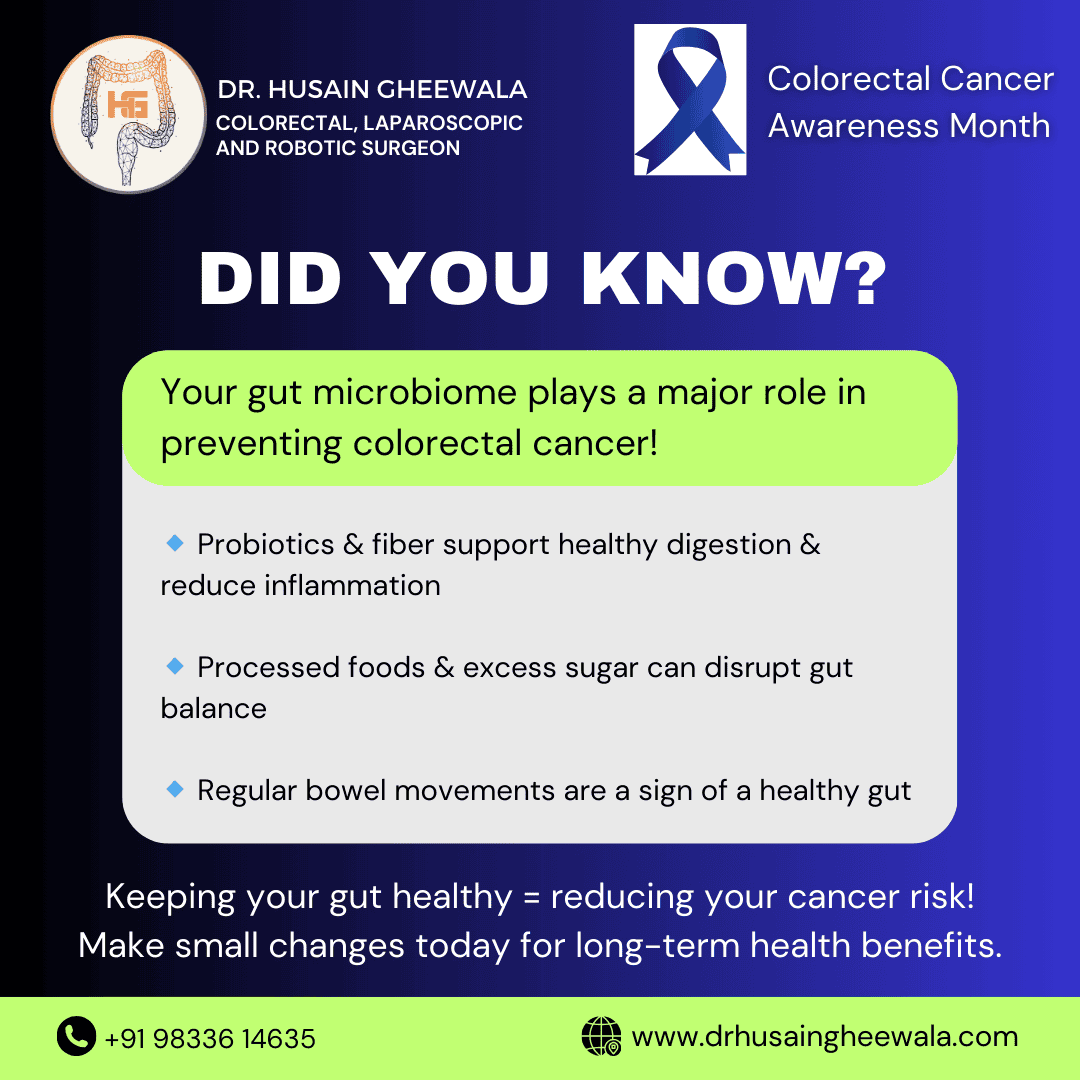
Processed foods: These often contain additives, preservatives, and artificial ingredients that can negatively impact beneficial gut bacteria.
Excess sugar: High sugar consumption can feed harmful bacteria and yeast, creating an imbalance in the gut ecosystem.
Red and processed meats: When consumed in excess, these foods have been linked to colorectal cancer risk, partly due to how they affect the gut microbiome.
Alcohol: Excessive alcohol consumption can disrupt gut barrier function and alter the composition of gut bacteria.
Regular bowel movements—typically considered to be anywhere from three times a day to three times a week, depending on the individual—are often a positive sign of gut health. Irregular bowel habits could indicate issues with your digestive system that should be discussed with a healthcare provider.
Practical Steps for Supporting Your Microbiome
Based on current research, Dr. Gheewala recommends these practical steps to nurture your gut microbiome and potentially reduce colorectal cancer risk:
- Diversify your diet: Eat a wide variety of high-fiber and fermented foods to support a healthy microbiome.
- Consider probiotic supplements: Particularly if you’ve recently taken antibiotics or have digestive issues, quality probiotic supplements may help restore balance.
- Limit antibiotic use: While sometimes necessary, antibiotics can disrupt the gut microbiome. Only use them when prescribed by your doctor and consider probiotic supplementation afterward. Stay hydrated: Proper hydration supports digestive health and regular bowel movements.
- Manage stress: Chronic stress can negatively impact gut health, so incorporate stress management techniques into your daily routine.
- Regular screening: While maintaining gut health is important for prevention, regular colorectal cancer screening according to your risk factors and age is essential for early detection.
The Future of Microbiome Research and Colorectal Cancer
Research about the role of the gut microbiome in colorectal cancer is a newly emerging and exciting field of study. Gut microbiota modulation, with the aim to reverse established microbial dysbiosis, represents a novel strategy for both prevention and treatment of colorectal cancer.
Current research suggests that the gut microbiome may even impact how patients respond to cancer treatments, including chemotherapy for colorectal cancer This opens up possibilities for personalized approaches to cancer prevention and treatment based on an individual’s unique microbiome composition.
Dr. Gheewala stays at the forefront of this research to provide patients with the most current recommendations for gut health and cancer prevention.
Remember, the small changes you make today to support your gut health could have significant long-term benefits for your overall wellbeing and cancer risk reduction. Schedule an appointment with Dr. Gheewala to discuss personalized strategies for optimizing your digestive health and microbiome.