


Colorectal Cancer Screening: More Options Than You Think
Understanding Your Colorectal Cancer Screening Options
Colorectal cancer is one of the most preventable types of cancer when caught early through regular screening. While many people associate screening exclusively with colonoscopy, there are actually several effective options available today. As Dr. Husain Gheewala often tells his patients, “The best screening test is the one that gets done.” Let’s explore the various screening methods available to help you make an informed decision about your colorectal health.
The Gold Standard: Colonoscopy
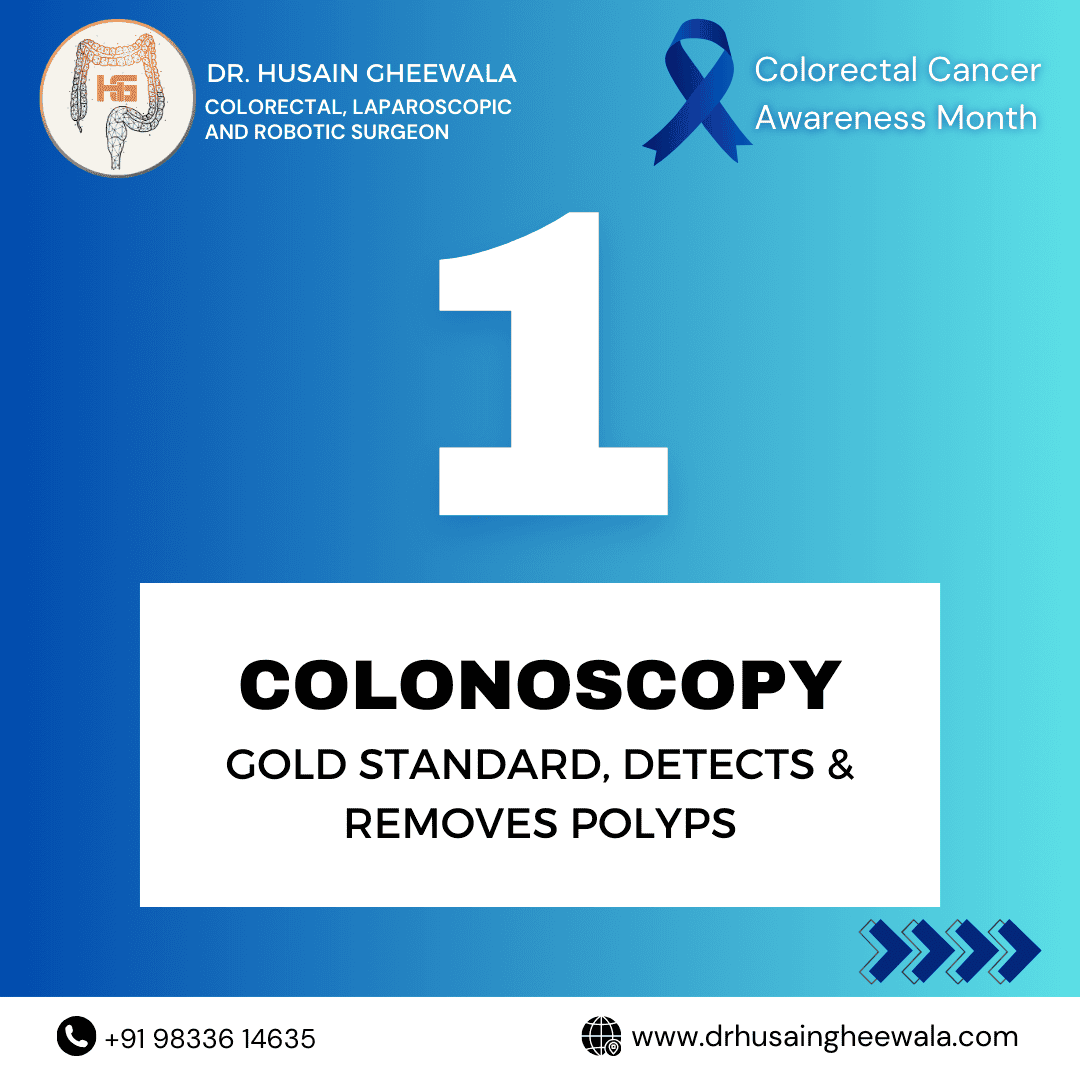
Colonoscopy remains the gold standard for colorectal cancer screening in the United States. This procedure allows doctors to examine the entire colon and rectum using a flexible tube with a camera. The key advantage of colonoscopy is that it not only detects cancer but can actually prevent it by finding and removing polyps before they develop into cancer.
Benefits of colonoscopy include:
- Complete examination of the entire colon
- Ability to remove polyps during the procedure
- Recommended only once every 10 years for average-risk individuals
- Highest sensitivity for detecting cancer and pre-cancerous lesions
While colonoscopy is highly effective, some patients may be reluctant to undergo this procedure due to the preparation required, the need for sedation, and potential discomfort. Fortunately, there are alternatives for those who prefer a less invasive approach.
Non-Invasive Options: Stool-Based Tests
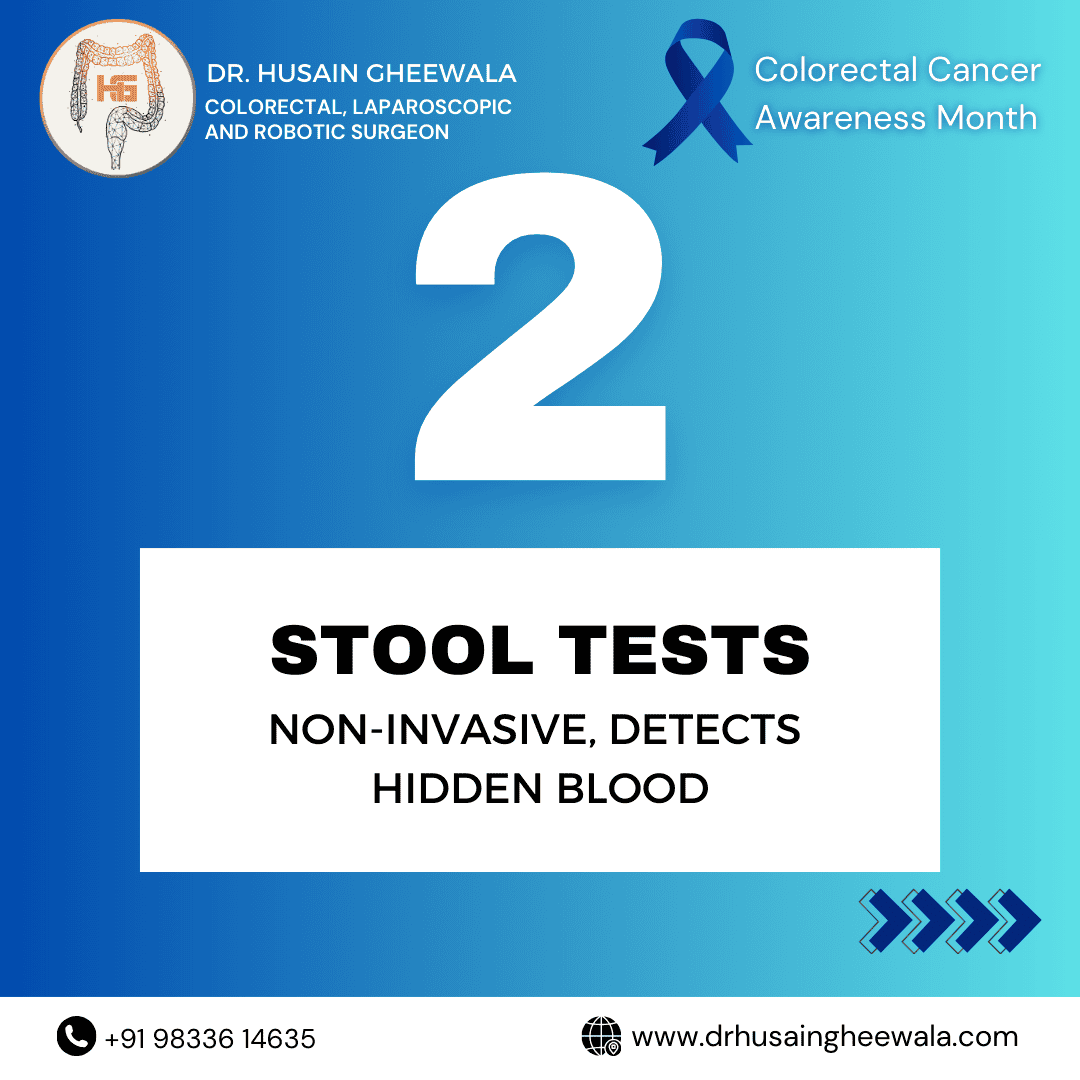
For those seeking a non-invasive screening method, stool-based tests offer a convenient alternative that can be performed in the privacy of your home.
Types of stool tests include:
- Fecal Immunochemical Test (FIT): This inexpensive, at-home test looks for proteins found in blood that may indicate the presence of cancer or large polyps. FIT tests are simple to complete and require no dietary restrictions or special preparation.
- Fecal Occult Blood Test (FOBT): Similar to the FIT test, FOBT checks the stool for hidden blood, which can be a sign of colorectal cancer.
These stool-based tests are typically recommended annually, as they’re less sensitive than a colonoscopy. However, they’re much easier to complete, which may increase screening compliance rates. It’s important to note that if blood is detected in your stool sample, a follow-up colonoscopy will be necessary for further evaluation.
CT Colonography: The Virtual Alternative
CT colonography, also known as virtual colonoscopy, uses X-rays and computer technology to produce detailed images of the entire colon. During this procedure, a CT scanner takes numerous images of your colon and rectum, which are then assembled by a computer to create detailed pictures.
Advantages of CT colonography:
- Less invasive than traditional colonoscopy
- No sedation required
- Examines the entire colon
- Takes less time than a colonoscopy
If abnormalities are found during CT colonography, a traditional colonoscopy may still be needed for further evaluation and potential polyp removal. This option is typically performed every five years for people at average risk.
Flexible Sigmoidoscopy: A Partial Examination
Flexible sigmoidoscopy examines only the lower portion of the colon—specifically, the rectum and sigmoid colon, where most colorectal cancers develop. This procedure is similar to a colonoscopy but examines a smaller portion of the colon.
Key points about sigmoidoscopy:
- Less extensive preparation than colonoscopy
- Usually performed without sedation
- Takes less time than a full colonoscopy
- May miss abnormalities in the upper colon
If abnormalities are found during a sigmoidoscopy, a follow-up colonoscopy is needed to examine the entire colon.
Making The Right Choice For You
When it comes to colorectal cancer screening, the most important factor is actually getting screened, regardless of which method you choose. Regular screening can detect cancer early when treatment is most effective, or even prevent it entirely by removing precancerous polyps.
Factors to consider when choosing a screening method:
- Personal medical history and risk factors
- Family history of colorectal cancer
- Personal preferences and comfort level
- Insurance coverage and accessibility
Dr. Husain Gheewala believes in personalized care and will work with you to determine the most appropriate screening method based on your individual circumstances. During your next appointment, be sure to discuss your options and establish a screening schedule that works for you.
Remember, the right screening at the right time can literally save your life. Don’t delay this important preventive health measure—schedule your colorectal cancer screening today.