


Understanding Irritable Bowel Disease
Irritable Bowel Disease (IBD) is a complex, chronic condition that affects the gastrointestinal tract, leading to symptoms such as abdominal pain, diarrhea, and weight loss. Managing IBD requires a multifaceted approach, and while there is a lot of information available, it’s essential to focus on the right aspects of treatment and management. Here, we’ll explore what most people typically focus on versus what they should focus on for optimal health and well-being.
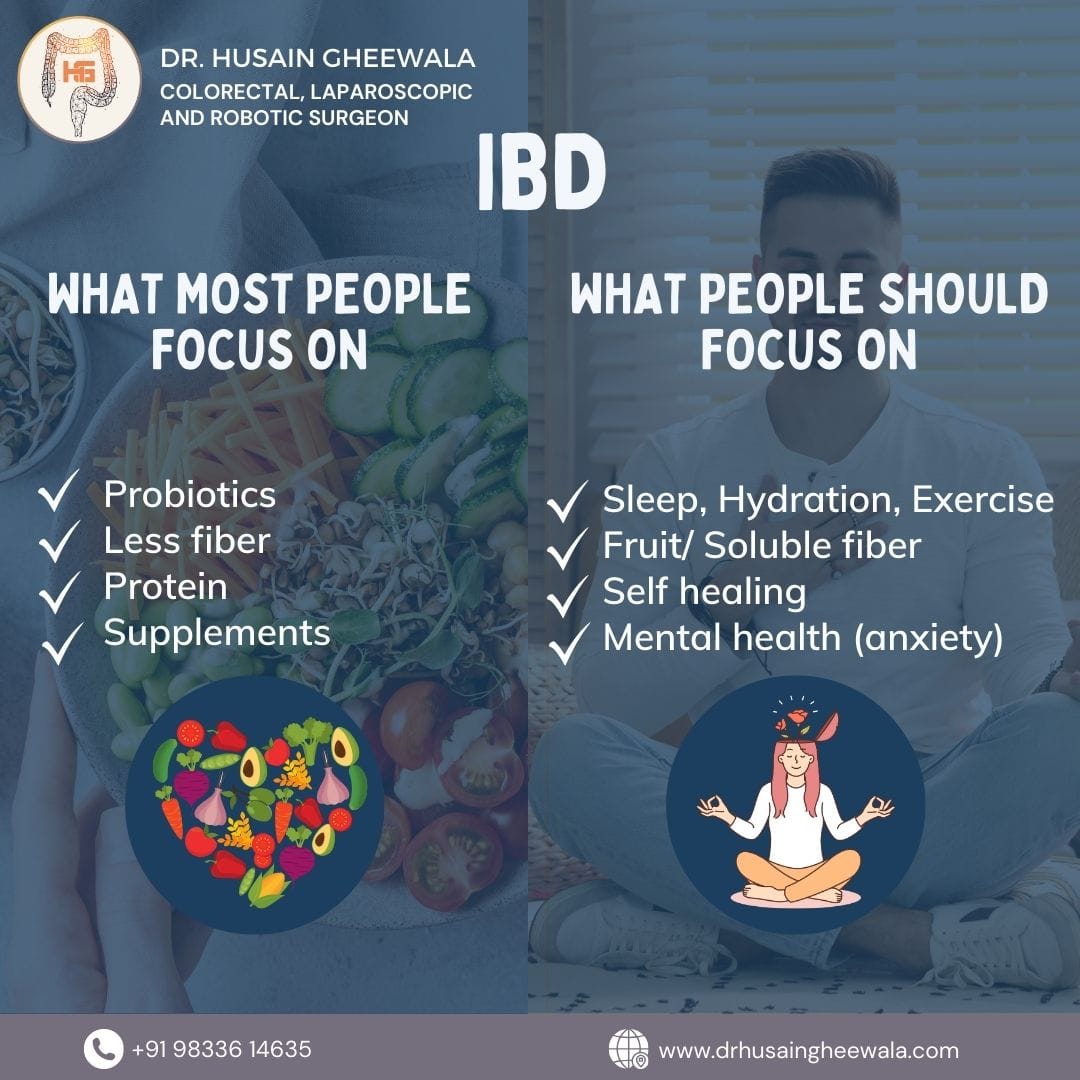
What Most People Focus On:
- Probiotics: Many individuals turn to probiotics, believing that these “good bacteria” will restore balance in their gut microbiome. While probiotics can be beneficial, they are not a standalone solution for managing IBD.
- Less Fiber: There’s a common misconception that all fiber is bad for IBD sufferers. While insoluble fiber can exacerbate symptoms, avoiding fiber altogether can lead to other health issues.
- Protein: High-protein diets are often emphasized, but it’s important to consider the source and quality of protein consumed, as well as the overall dietary balance.
- Supplements: Vitamins and mineral supplements are frequently used to address nutritional deficiencies caused by IBD. However, relying solely on supplements can overlook the importance of a holistic diet and lifestyle changes.
What People Should Focus On:
- Sleep, Hydration, Exercise:
- Sleep: Quality sleep is crucial for immune function and overall health. Aim for 7-9 hours of uninterrupted sleep each night.
- Hydration: Proper hydration is vital, especially for those with IBD who may lose fluids due to diarrhea. Drinking enough water helps maintain bodily functions and supports digestion.
- Exercise: Regular, moderate exercise can help reduce stress, improve digestion, and boost overall health. Activities like walking, swimming, and yoga are excellent choices.
- Fruit and Soluble Fiber: Contrary to the belief that all fiber is harmful, soluble fiber found in fruits like bananas, apples, and pears can be beneficial. Soluble fiber absorbs water and forms a gel-like substance in the intestines, which can help ease digestion and reduce symptoms.
- Self-Healing: The body has an incredible ability to heal itself when given the right conditions. This involves adopting a mindset of patience and persistence, and allowing the body to repair and regenerate through balanced nutrition, stress management, and proper medical treatment.
- Mental Health (Anxiety): Anxiety and stress can significantly impact IBD symptoms. It’s crucial to address mental health through practices like meditation, mindfulness, therapy, or counseling. Managing anxiety can lead to better overall health and improved IBD outcomes.
Integrative Approach to IBD Management
From a medical standpoint, an integrative approach that combines conventional treatments with lifestyle modifications offers the best outcomes for IBD patients. Medications such as anti-inflammatory drugs, immune system suppressors, and biologics play a crucial role in controlling the disease. However, they should be complemented with holistic strategies to ensure comprehensive care.
- Dietary Adjustments: Tailor your diet to include soluble fiber, lean proteins, and anti-inflammatory foods while avoiding trigger foods that worsen symptoms. Working with a dietitian can help create a personalized nutrition plan.
- Regular Monitoring: Keep up with regular check-ups and tests to monitor the progression of the disease and adjust treatments as necessary. Early detection of flare-ups can prevent complications.
- Support Systems: Engage with support groups, either in-person or online, to share experiences and gain insights from others who understand what you’re going through. This sense of community can be incredibly beneficial for mental well-being.
- Holistic Therapies: Explore complementary therapies such as acupuncture, massage, and herbal medicine, which can provide additional relief and support overall health.
Conclusion
Managing Irritable Bowel Disease is not solely about focusing on diet or medications. It’s about a balanced approach that includes physical, mental, and emotional health. By prioritizing sleep, hydration, exercise, mental health, and a proper diet rich in soluble fiber, patients can significantly improve their quality of life. Always consult with healthcare professionals to tailor a plan that’s right for you, and remember, your body has an incredible capacity to heal when given the right conditions.