

Understanding Colorectal Cancer: Anatomy, Detection, and Awareness
What is Colorectal Cancer?
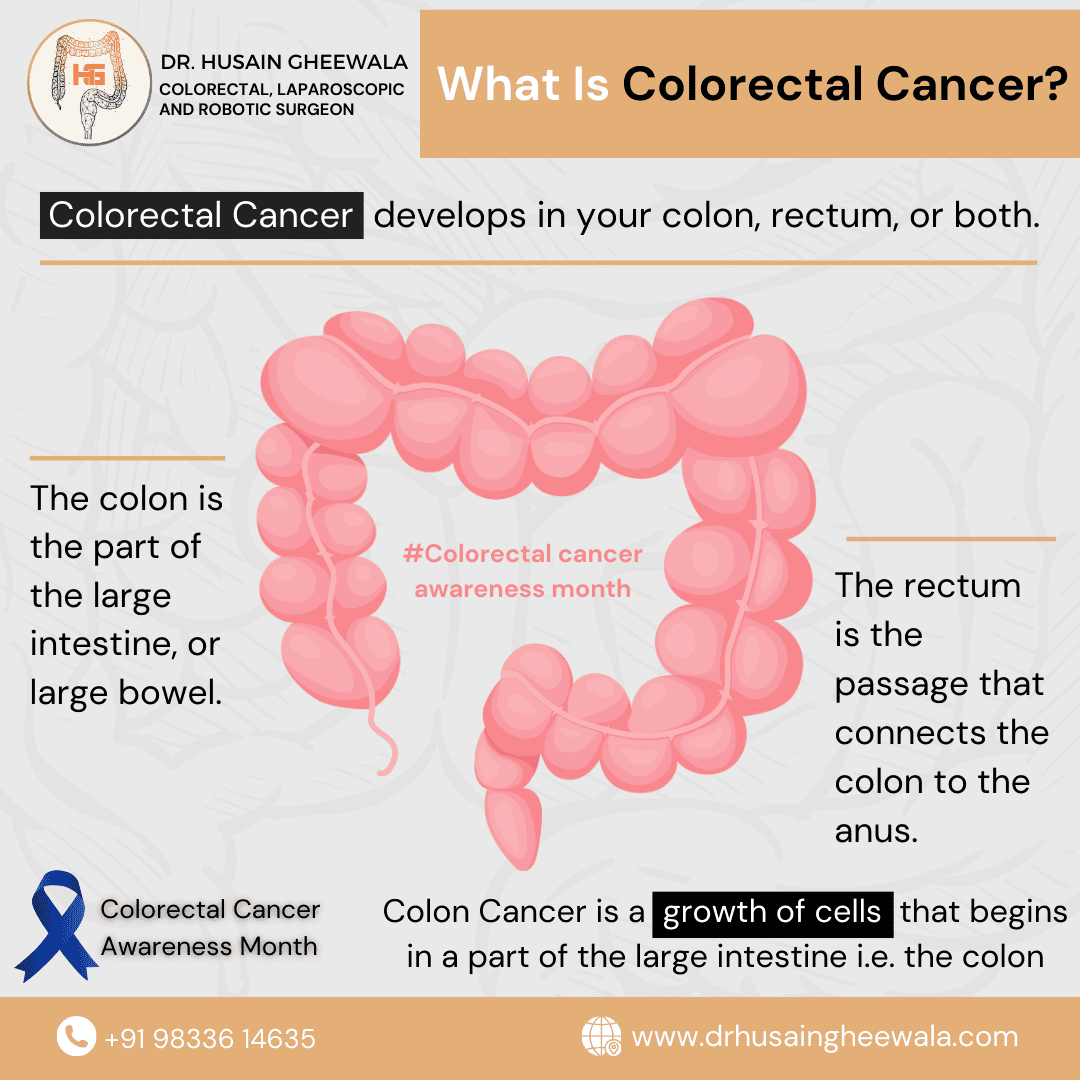
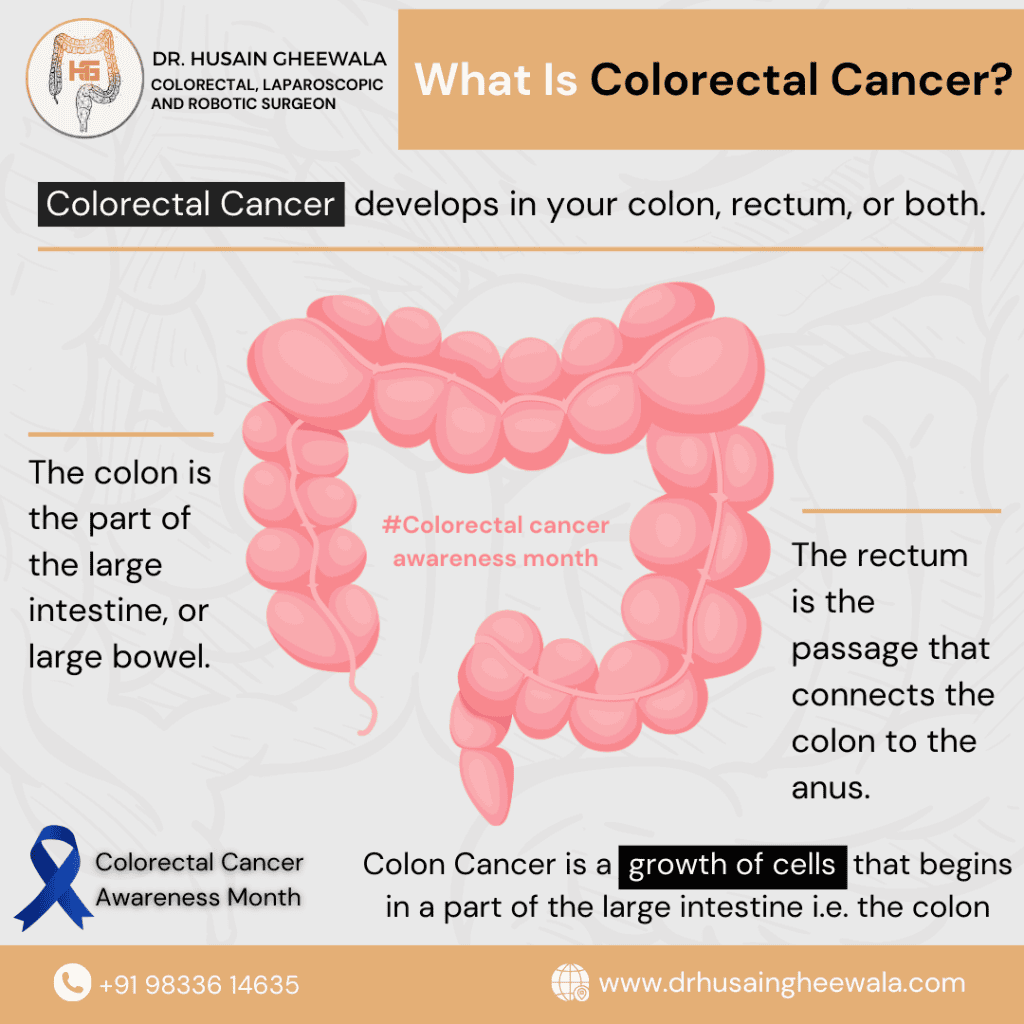
Colorectal cancer is a significant health concern that affects millions of people worldwide. It ranks as the third most common cancer diagnosis in the United States and is the second most common cause of cancer-related mortality worldwide. This type of cancer develops in the tissues of either the colon or rectum, which are vital components of our digestive system.
Colorectal cancer begins when healthy cells in the lining of the colon or rectum develop mutations in their DNA, causing them to grow uncontrollably and eventually form tumors. If left untreated, these malignant tumors can invade surrounding tissues and spread (metastasize) to other parts of the body, making early detection and treatment crucial for patient outcomes.
At Dr. Husain Gheewala’s practice, we believe that understanding colorectal cancer begins with knowing the anatomy involved and recognizing how this disease develops.
The Digestive System: Understanding Colon and Rectal Anatomy
To comprehend colorectal cancer, it’s important to understand the anatomy and function of the colon and rectum:
The Colon (Large Intestine):
The colon is approximately 6 feet long and forms the major part of the large intestine in our digestive system. After food passes through the small intestine where most nutrients are absorbed, it enters the colon. The colon serves several critical functions:
- Absorbing water and electrolytes from indigestible food matter
- Processing waste material
- Housing beneficial bacteria that aid in digestion
- Forming and storing stool until it’s ready to be expelled
The Rectum:
The rectum is the final 6 inches of the large intestine, connecting the colon to the anus. Its primary function is to:
- Serve as a temporary storage site for feces
- Signal when it’s time for a bowel movement
- Help maintain continence through muscular control
Together, the colon and rectum make up the large intestine, which is a crucial part of the gastrointestinal system. When cancer develops in either of these areas, it’s collectively referred to as colorectal cancer, though specific location can affect treatment approaches and outcomes.
Types and Stages of Colorectal Cancer
Colorectal cancer typically begins as small, benign clumps of cells called polyps that form on the inner lining of the colon or rectum. Over time, some of these polyps can become cancerous. Different types of colorectal cancer include:
Adenocarcinomas:
These account for more than 95% of colorectal cancers and begin in the cells that make mucus to lubricate the inside of the colon and rectum.
Other less common types:
- Carcinoid tumors
- Gastrointestinal stromal tumors
- Lymphomas
- Sarcomas
Staging is crucial for determining treatment options and prognosis. Colorectal cancer stages range from 0 to IV:
Stage 0: Cancer is found only in the innermost lining of the colon or rectum (carcinoma in situ).
Stage I: Cancer has grown into the inner wall of the colon or rectum but hasn’t penetrated through the wall.
Stage II: Cancer has grown through the wall of the colon or rectum but hasn’t spread to nearby lymph nodes.
Stage III: Cancer has spread to nearby lymph nodes but not to other parts of the body.
Stage IV: Cancer has spread to distant organs such as the liver, lungs, or distant lymph nodes.
Early detection through screening can often identify precancerous polyps or early-stage cancers when they’re most treatable, significantly improving survival rates.
Risk Factors and Prevention Strategies
Understanding risk factors can help individuals make informed decisions about screening and lifestyle modifications. Common risk factors for colorectal cancer include:
Age: The risk increases significantly after age 45, with more than 90% of cases diagnosed in individuals over 50. However, there’s been a concerning rise in colorectal cancer among younger adults in recent years.
Family history: Having a first-degree relative with colorectal cancer increases your risk.
Personal history: Individuals with a personal history of colorectal cancer, polyps, or inflammatory bowel disease have an increased risk.
Lifestyle factors:
- Sedentary lifestyle
- Low-fiber, high-fat diet
- Obesity
- Smoking
- Excessive alcohol consumption
Prevention strategies that Dr. Gheewala recommends include:
Regular screening: Colonoscopy is the gold standard for colorectal cancer screening, allowing for both detection and removal of precancerous polyps. Current guidelines recommend beginning screening at age 45 for people at average risk.
Healthy lifestyle choices:
- Maintaining a healthy weight
- Engaging in regular physical activity
- Consuming a diet high in fruits, vegetables, and whole grains
- Limiting red meat and processed meat consumption
- Avoiding excessive alcohol consumption
- Not smoking
Aspirin therapy: For some high-risk individuals, regular aspirin use may reduce risk, though this should only be done under medical supervision due to potential side effects.
Symptoms and Warning Signs
Colorectal cancer can develop without causing symptoms, especially in early stages. This is why screening is so important. However, potential warning signs include:
Changes in bowel habits:
- Persistent diarrhea or constipation
- Narrowing of stool
- A feeling that the bowel doesn’t empty completely
Blood in the stool: This can appear as bright red blood or make stools look dark and tarry.
Abdominal discomfort: Including frequent gas pains, bloating, fullness, or cramps.
Unexplained weight loss: Losing weight without trying could indicate cancer.
Weakness and fatigue: Cancer can cause bleeding that leads to anemia and fatigue.
If you experience any of these symptoms, especially if they persist for more than a few weeks, Dr. Gheewala strongly encourages scheduling an appointment for evaluation.
The Importance of Screening and Early Detection
Colorectal cancer is one of the most preventable and, when detected early, most treatable forms of cancer. Regular screening is key to early detection and prevention.
Recommended screening methods include:
Colonoscopy: This allows direct visualization of the entire colon and rectum and removal of polyps during the procedure. For average-risk individuals, it’s typically recommended every 10 years starting at age 45.
Stool-based tests:
- Fecal immunochemical test (FIT)
- Stool DNA test
- Guaiac-based fecal occult blood test (gFOBT)
Flexible sigmoidoscopy: Examines the rectum and lower colon.
CT colonography (virtual colonoscopy): Uses CT imaging to visualize the colon.
Despite the proven benefits of screening, statistics show that about one-third of eligible adults in the United States have never been screened for colorectal cancer. Many Americans report not having time for colorectal cancer screening, prioritizing household chores instead of their health.
At Dr. Gheewala’s practice, we work with patients to find the most appropriate screening method based on their personal risk factors, preferences, and medical history.
Conclusion
Colorectal cancer is a significant health concern, but with proper awareness, screening, and early detection, we can reduce its impact. During Colorectal Cancer Awareness Month and throughout the year, Dr. Gheewala and his team are committed to providing education, screening recommendations, and comprehensive care for patients concerned about colorectal cancer.
If you’re 45 or older, have risk factors for colorectal cancer, or are experiencing concerning symptoms, please contact our office to schedule an appointment to discuss appropriate screening options. Remember, early detection saves lives.