


Why Regular Colonoscopy Can Save Your Life
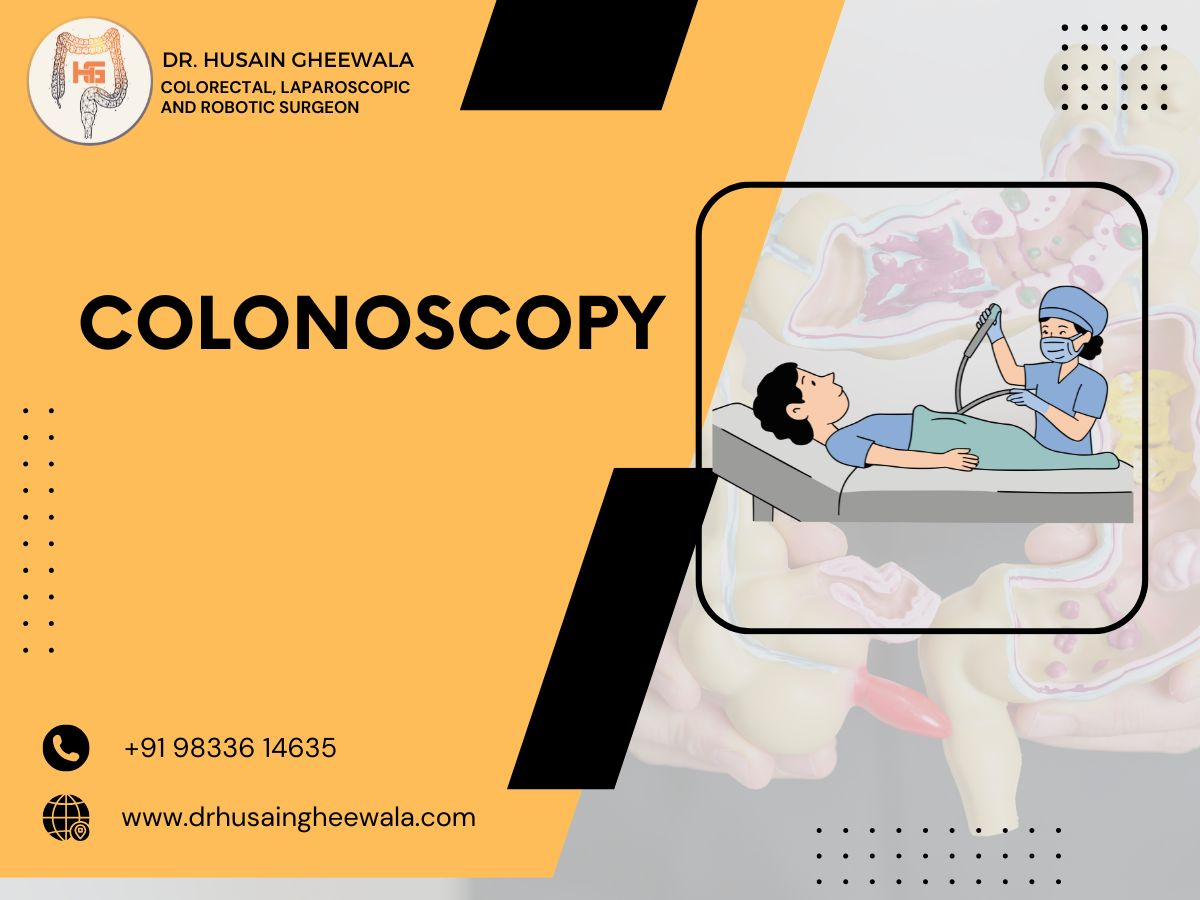
When it comes to protecting your health, few tests are as powerful and life-saving as a colonoscopy. This endoscopic procedure allows doctors to examine the colon and rectum for polyps, precancerous growths, and signs of colorectal cancer.
While the idea of undergoing a bowel examination may feel uncomfortable, it is one of the most effective tools for cancer prevention and early diagnosis of digestive conditions such as inflammatory bowel disease (IBD), ulcerative colitis, and Crohn’s disease.
Colonoscopy: The Gold Standard of Colon Screening
A colonoscopy is performed using a long, flexible tube with a camera that is inserted into the colon. This allows doctors to:
- Detect polyps before they become cancerous
- Identify early stages of colorectal cancer
- Investigate symptoms such as rectal bleeding, abdominal pain, or chronic constipation
- Diagnose conditions like diverticulitis or IBD
Unlike other tests such as stool DNA tests or sigmoidoscopy, colonoscopy not only detects but also removes polyps during the same procedure, making it both diagnostic and preventive.
Learn more: Colorectal Cancer Awareness & Detection
Why Early Detection Matters
Colorectal cancer is one of the leading causes of cancer-related deaths worldwide. However, it is also among the most preventable if detected early.
- Polyps can take years to turn into cancer. Removing them during a colonoscopy eliminates the risk before it develops.
- If cancer is detected at an early stage, the survival rate is over 90%.
- Sadly, many patients delay screening until symptoms like blood in stool or unexplained weight loss appear, by which time the disease is often advanced.
Who Should Get a Colonoscopy?
- Adults over 50 years (or over 45 in some guidelines)
- Anyone with a family history of colorectal cancer or polyps
- Patients with chronic constipation, diarrhea, or rectal bleeding
- Those with inflammatory bowel disease such as Crohn’s disease or ulcerative colitis
- People with lifestyle risk factors like smoking, alcohol consumption, low-fiber diet, or obesity
Related: Symptoms of Colon Cancer
Benefits of Regular Colonoscopy
- Cancer Prevention – By removing precancerous polyps before they develop into colorectal cancer.
- Early Diagnosis – Detects cancer, IBD, and diverticulitis in their earliest stages.
- Minimally Invasive – A safe, outpatient procedure with low risks.
- Peace of Mind – Reduces anxiety about unexplained symptoms such as abdominal pain or blood in stool.
- Longer Life Expectancy – Patients who undergo regular screening have significantly higher survival rates.
Alternative Screening Methods
While colonoscopy is the gold standard, some patients may undergo alternative tests:
- Sigmoidoscopy – Examines only the lower colon.
- Stool DNA tests – Detects abnormal DNA linked to cancer.
- Fecal occult blood test (FOBT) – Detects hidden blood in stool.
- CT colonography – A virtual imaging test of the colon.
However, only colonoscopy allows polyp removal during the same session, which makes it the most effective preventive tool.
Lifestyle Choices That Support Colon Health
Even with regular colonoscopies, adopting a healthy lifestyle further reduces risk:
- Eat a high-fiber diet rich in fruits, vegetables, and whole grains
- Limit processed foods and red meat
- Maintain hydration
- Stay physically active with regular exercise
- Avoid smoking and excessive alcohol consumption
Related reading: The Gut Microbiome & Cancer Prevention
Overcoming Fear of Colonoscopy
Many people avoid colonoscopy due to fear of discomfort or embarrassment. In reality:
- The procedure is performed under mild sedation, ensuring comfort.
- Preparation involves bowel cleansing, which is inconvenient but manageable.
- The actual test usually takes 30–45 minutes.
- Most patients resume normal activities within 24 hours.
Conclusion: Colonoscopy Can Save Your Life
A regular colonoscopy is one of the most powerful tools in modern medicine for preventing colorectal cancer and detecting digestive disorders early. While it may feel intimidating, it is a safe, minimally invasive, and life-saving procedure.
Take charge of your health today – schedule your screening: Contact Dr. Husain Gheewala